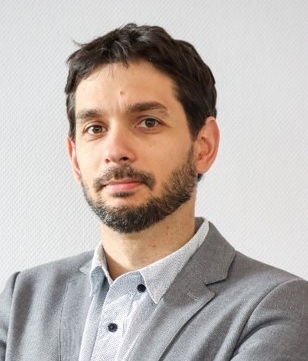
Coordinated by Professor Yann Godet, the axis “T cell-based anti-cancer immunotherapies” focuses its research on the identification of tumor-associated antigens recognized by T lymphocytes and on the development of anti-tumor immunotherapies based on different approaches: vaccines, CAR-T, transgenic TCR, and TIL.
The group’s work has described HLA class II-restricted immunogenic epitopes derived from various antigens such as telomerase, DeltaCD20, CoA1, and mesothelin. More specifically, the group has explored the role of CD4 T cell responses directed against telomerase—a universal tumor antigen expressed in nearly 90% of human cancers—in cancer immunosurveillance.
This research has led to the clinical validation of the benefit of specifically stimulating anti-telomerase CD4 T cell responses through a vaccine (UCPVax). This vaccine, developed from these scientific findings, is currently being tested in clinical trials across several cancers, either alone or in combination with anti-PD-1/PD-L1 antibodies. The group also has strong expertise in the design and development of adoptive transfer of genetically modified T lymphocytes in hemato-oncology. The team is working on strategies to optimize CAR T cells and transgenic TCRs (signaling, metabolism, etc.) and on developing their use in solid tumors.
Recently, the group reported two innovations in the field of third-generation CAR T cells targeting IL-1Rap and CD123, two receptors expressed respectively on plasmacytoid dendritic cell leukemias and myeloid leukemias.
This research program is closely linked to clinical development thanks to a favorable local ecosystem (CHRU, Biomonitoring platform, EFS MTI production platform).
This axis of research is organized into two groups:
- Topic 1: Adoptive T cell therapies – CAR-GO team led by Prof. Francine Garnache Ottou
- Topic 2: Development of optimized cancer vaccines – team led by Prof. Olivier Adotevi